
|
Youth is part of the Equality program. You can find more information about it on its main program page. |
Youth
By Communications on June 17, 2013
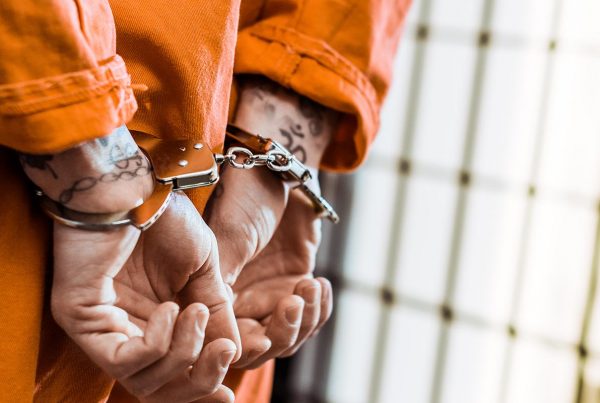
The Ashley Smith Inquest: 5 Months In The inquest into the death of Ashley Smith concludes its fifth month with testimony from middle Since the beginning of the inquest, numerous front line correctional officers have testified that they were instructed by their supervisors not to enter Ms. Smith’s cell to remove ligatures tied around her neck, as long as she was breathing. This past month, one middle manager testified that this instruction came from his superiors – these individuals have not yet testified, but are expected to appear when the inquest resumes in September. Over the past five months details surrounding Ms. Smith’s experience in federal custody have been publicly revealed at the inquest. Ms. Smith was transferred 17 times over her eleven and a half months in federal custody, spending time in correctional and psychiatric facilities run by or on contract with the Correctional Service of Canada. Throughout her custody in both the youth and adult correctional systems, she remained largely on segregation status (solitary confinement) with little or no opportunity for meaningful human contact. Jurors have heard evidence that Ms. Smith’s behaviour demonstrated many of the harmful effects documented in studies on prolonged solitary confinement. The jury have been presented with evidence that Ms. Smith was subject to physical and chemical restraints, and forced to undergo body cavity searches without her consent during her incarceration in federal custody. In May, video evidence was introduced to the jury which shows Ms. Smith surrounded by guards in riot gear and restrained to a gurney at Joliette Institution in Quebec. During the video, Ms. Smith is shown being injected five times during a seven hour period on July 22, 2007. Extensive evidence was also introduced regarding two alleged assaults perpetrated against Ms. Smith by correctional staff during her time at the Regional Psychiatric Centre (RPC) in Saskatoon, Saskatchewan. A number of staff members, including Ms. Smith’s treating psychiatrist and the lead investigator into the incidents, noted their concerns that Ms. Smith would be subject to retaliation in response to the fact that she had spoken out against staff for alleged assaults against her. Shortly after the incident she was transferred out of RPC. Ms. Smith’s experience in the corrections system raises a number of serious civil liberties issues, including questions regarding the use of solitary confinement in modern penal systems, and the role that meaningful and transparent oversight mechanisms should play to protect the fundamental rights and freedoms of inmates. The Canadian Civil Liberties Association (CCLA) is participating in the inquest as a party to address these and other key civil liberties concerns and to ensure that there is a full public accounting of the circumstances surrounding Ms. Smith’s death and that meaningful recommendations for change in the Canadian corrections system are made. The inquest will break in July and August for a summer recess period and will resume in early September 2013. Please stay tuned for further updates in the fall regarding the inquest on our website. CCLA is represented at the Inquest by Allison Thornton of Koch Thornton LLP. The inquest is open to the public and proceedings of the inquest are being broadcast live via webcam and are available at the following link. Read more about our past work on this issue: Previous work on the Ashley Smith case, and the use of solitary confinement For media inquiries, please contact:Allison Thornton, special counsel for CCLA at the Inquest, a partner at Koch Thornton LLP email: allison.thornton@ktbarristers.com phone: 416-216-0225 (In the alternative, please contact Noa Mendelsohn Aviv, Director of CCLA’s Equality Program, at mendelsohnaviv@ccla.org or 647-780-9802)
By Communications on May 21, 2013
An Update on The Ashley Smith Inquest The inquest into the death of Ashley Smith continued this past week with testimony from health care employees who were employed at Joliette Institution in Quebec during her two short periods of incarceration there, a number of whom injected Ms. Smith with anti-psychotic medication without her consent. Video evidence which shows Ms. Smith being injected five times during a seven hour period on July 22, 2007 while restrained to a gurney as she is surrounded by guards in riot gear was also introduced. Since the beginning of the inquest into the young woman’s death in custody, the five person jury have heard testimony from front line correctional officers and health care professionals regarding Ms. Smith’s treatment throughout her eleven and a half months in federal corrections. Ms. Smith was transferred 17 times over her eleven and a half months in federal custody, spending time in correctional and psychiatric facilities run by or on contract with the Correctional Service of Canada. Throughout her custody in both the youth and adult correctional systems, she remained largely on segregation status (solitary confinement) with little or no opportunity for meaningful human contact. Jurors have heard evidence that Ms. Smith’s behaviour demonstrated many of the harmful effects documented in studies on prolonged solitary confinement. Extensive evidence was introduced regarding two alleged assaults perpetrated against Ms. Smith by correctional staff during her time at the Regional Psychiatric Centre (RPC) in Saskatoon, Saskatchewan. A number of staff members, including Ms. Smith’s treating psychiatrist and the lead investigator into the incidents, noted their concerns that Ms. Smith would be subject to retaliation in response to the allegations. Shortly after the incident she was transferred out of RPC. Ms. Smith’s experience in the corrections system raises a number of serious civil liberties issues, including questions regarding the use of solitary confinement in modern penal systems, and the role that meaningful and transparent oversight mechanisms should play to protect the fundamental rights and freedoms of inmates. The Canadian Civil Liberties Association (CCLA) is participating in the inquest as a party to address these and other key civil liberties concerns and to ensure that there is a full public accounting of the circumstances surrounding Ms. Smith’s death and that meaningful recommendations for change in the Canadian corrections system are made. The inquest will continue until June 27th and will break in July and August for a summer recess period. Please stay tuned for further updates regarding the inquest on our website. CCLA is represented at the Inquest by Allison Thornton of Koch Thornton LLP. The inquest is open to the public and proceedings of the inquest are being broadcast live via webcam and are available at the following link. Click here to read more about our past work on this issue For media inquiries, please contact:Allison Thornton, special counsel for CCLA at the Inquest, a partner at Koch Thornton LLP email: allison.thornton@ktbarristers.com phone: 416-216-0225 (In the alternative, please contact Noa Mendelsohn Aviv, Director of CCLA’s Equality Program, at mendelsohnaviv@ccla.org or 647-780-9802)
By Communications on March 13, 2013
The inquest into the death of Ashley Smith continued last week with testimony from a psychologist who worked with Ms. Smith at the Nova Institute for Women in Truro, Nova Scotia, during her two periods of incarceration there. Since the beginning of the inquest into the young woman’s death in custody, the five person jury have heard testimony from a number of correctional officers who worked directly with Ms. Smith and who were present the day she died. The jury has also heard testimony from Coralee Smith, Ms. Smith’s mother, who spoke of the anguish of losing her daughter and of the many financial, bureaucratic and logistical barriers she faced in attempting to maintain contact with her daughter during her incarceration. Ms. Smith was transferred 17 times over her eleven and a half months in federal custody and spent the majority of her custody in the youth and adult correctional systems in solitary confinement. Jurors have also heard evidence that Ms. Smith’s behaviour demonstrated many of the harmful effects documented in studies on prolonged solitary confinement. Ms. Smith’s experience in the corrections system raise a number of serious civil liberties issues, including questions regarding the use of solitary confinement in modern penal systems, and the role that meaningful and transparent oversight mechanisms should play to protect the fundamental rights and freedoms of inmates. The Canadian Civil Liberties Association (CCLA) is participating in the inquest as a party to address these and other key civil liberties concerns and to ensure that there is a full public accounting of the circumstances surrounding Ms. Smith’s death and that meaningful recommendations for change in the Canadian corrections system are made. CCLA has experience in advocating for adequate oversight of government and authorities, and accountability mechanisms, to protect the fundamental rights and freedoms of all people, including the right to life. The inquest will resume on March 25th. Please stay tuned for further updates regarding the inquest on our website. CCLA is represented at the Inquest by Allison Thornton of Koch Thornton LLP. The inquest is open to the public and proceedings of the inquest are being broadcast live via webcam and are available at the following link. Click here to read more about our past work on this issue For media inquiries, please contact:Allison Thornton, special counsel for CCLA at the Inquest, a partner at Koch Thornton LLP email: allison.thornton@ktbarristers.com phone: 416-216-0225 (In the alternative, please contact Noa Mendelsohn Aviv, Director of CCLA’s Equality Program, at mendelsohnaviv@ccla.org or 647-780-9802)
By Noa Mendelsohn Aviv on March 11, 2013
CCLA welcomes the decision of the Federal Court of Appeal in the First Nations Child and Family Caring Society (FNCS) v. Canada decision released today. The complaint by FNCS alleges that the federal government has discriminated against First Nations children on reserve by under-funding child welfare services provided to them. The federal government argued that their funding of these services could not be discriminatory, as they did not provide comparable funding to any other children in Canada. FNCS, the Assembly of First Nations, Chiefs of Ontario, Amnesty International, and the Canadian Human Rights Commission were parties in the case. These parties disagreed with the government’s position. CCLA intervened to ensure that a purposive understanding of equality was maintained in line with equality jurisprudence. The Federal Court of Appeal supported such a conclusion. The human rights complaint on the merits is proceeding at the Canadian Human Rights Tribunal. CCLA was represented at the Federal Court of Appeal by Chris Wayland and Steven Tanner of McCarthys. To read the decision, click here. To read CCLA”s factum click here For more on the human rights complaint, the history of the complaint, its progress, legal documents and more, click here.
By Communications on February 22, 2013
February 22, 2013 IMMEDIATE RELEASE CANADIAN GOVERNMENT FACES ALLEGATIONS OF DISCRIMINATION TOWARDS FIRST NATIONS CHILDREN AT CANADIAN HUMAN RIGHTS TRIBUNALOn February 25, 2013, the Government of Canada will appear before the Canadian Human Rights Tribunal to face 14 weeks of hearings to determine if its flawed and inequitable First Nations child and family services program is discriminatory. The federal government controls and funds child and family services on reserves whereas the provinces and territories do so for other children. The Auditor General of Canada and other expert reports confirm that the federal government’s funding and program approaches to child and family services, including the more recent enhanced funding approach, are flawed and inequitable. There is clear evidence linking the inequality in services to hardship among First Nations families and to the growing numbers of First Nations children in care. Dr. Cindy Blackstock, Executive Director of the First Nations Child and Family Caring Society said, “This generation of First Nations children deserve an equal chance to grow up safely at home – something the Federal Government deprived many of their parents and grandparents of during the residential school era.” The complaint was filed with the Canadian Human Rights Commission in 2007 by the Assembly of First Nations and First Nations Child and Family Caring Society after the Government of Canada failed to implement two evidence informed solutions to address the problem. Since then the Government of Canada has spent over 3 million dollars in its numerous unsuccessful efforts to get the case dismissed. Alex Neve, Secretary General of Amnesty International Canada, said, “This case is important for everyone concerned about human rights. It’s outcome will affect both the quality of vitally important services available to First Nations children as well as the integrity of human rights protection in Canada.” Nathalie Des Rosiers, General Counsel for the Canadian Civil Liberties Association (CCLA) says “It is very important that this case move forward, and that issues of discrimination be promptly addressed. What is at stake in this case is the integrity of our human rights regime and its ability to respond meaningfully to allegations of discrimination.” >> The “I Am a Witness” page of the First Nations Child & Family Caring Society of Canada, which sets out a timeline of the case, the legal documents, and relevant reports. >> CCLA’s intervention at the Federal Court of Appeal
-30-
Craig Benjamin Noa Mendelsohn Aviv Cindy Blackstock, PhD
By Noa Mendelsohn Aviv on February 21, 2013
The First Nations Child and Family Caring Society and several other bodies challenged as discriminatory the funding of child welfare services for First Nations children on reserve, which was reported to be significantly less than the funding for child welfare services for other children in Canada. CCLA was granted leave to appeal at the Federal Court of Appeal on the legal question of how “discrimination” should be defined and proven. CCLA is arguing for fair access to the human rights system. Such access should be responsive to discrimination, and allow for different kinds of proof of discrimination, in a manner that is not too burdensome for the complainant. It will still be open to the respondent to provide reasonable justification for distinctions they have made. For more information about the case, including a timeline, legal documents, and relevant reports, click here for the “I Am a Witness” page of the First Nations Child & Family Caring Society of Canada. To read CCLA’s factum at the Federal Court of Appeal, click here.
By Noa Mendelsohn Aviv on January 23, 2013
As part of an ongoing public discussion with the Toronto Police Services Board about race-based harassment (racial profiling), CCLA’s Equality Program Director Noa Mendelsohn Aviv will address the Board. The current issue is the “receipt” the police will provide to individuals who are detained by police, questioned, and “carded” (the practice by which police record the identity and personal information about a person in the police database). CCLA is urging the Board to make sure individuals receive a mirror copy of certain basic information recorded by police about them, and the specific reason for the stop. For CCLA’s submissions to the TPSB on this matter, click here.
By Communications on January 21, 2013
The coroner’s inquest into the death of Ashley Smith resumed in Toronto on Monday January 14th, 2013. An earlier inquest was discontinued after the retirement of the first coroner. Ashley Smith died tragically at the age of 19 inside her cell at Grand Valley Institution for Women in Kitchener, after spending many months in segregation (solitary confinement). At the age of 13, Ms. Smith became involved with the youth criminal justice system. Prior to her death, she spent time in a number of federal and provincial correctional facilities and struggled with mental health issues while in jail. The young woman died after tying a ligature around her neck while guards, instructed not to intervene before she stopped breathing, watched. Public inquests are held when an inmate dies in custody and serve two important functions: to determine the facts surrounding an inmate’s death and, where possible, to prevent similar deaths from occurring in the future. The Canadian Civil Liberties Association (CCLA) is participating in the inquest as a party in order to ensure that there is a full public accounting of the circumstances surrounding Ms. Smith’s death. CCLA also has experience in ensuring that adequate oversight of government and authorities, and accountability mechanisms are in place to protect the fundamental rights and freedoms of all people, including the right to life. Meaningful and transparent oversight is essential to ensure that prisons operate within the law. Please stay tuned for further updates regarding the inquest on our website. CCLA is represented at the Inquest by Allison Thornton of Koch Thornton LLP. The proceedings of the inquest are being broadcast live via webcam and are available at the following link: http://www.mcscs.jus.gov.on.ca/english/DeathInvestigations/office_coroner/PublicInquest/OCC_inquest_stream.html Click here to read more about our past work on this issue. For media inquiries, please contact: Allison Thornton, special counsel for CCLA at the Inquest, a partner at Koch Thornton LLP email: allison.thornton@ktbarristers.com phone: 416-216-0225 (In the alternative, please contact Noa Mendelsohn Aviv, Director of CCLA’s Equality Program, at mendelsohnaviv@ccla.org or 647-780-9802)
By Communications on December 21, 2012
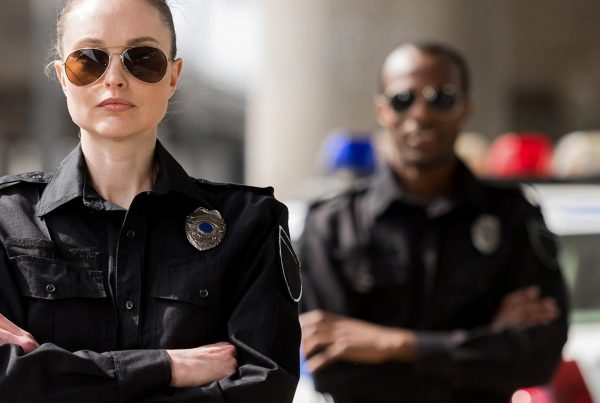
When is it appropriate for police to engage and interact with members of the community? Is it acceptable for a police officer - absent any suspicion or specific investigation – to ask young passersby for their name? Their address? What they’re doing? More personal information? And if they do get this kind of information in such a context, should there be any limits on what they can record in police databases? What is the social impact? How can we educate youth about their rights? These and others are just some of the questions that arise with respect to CCLA’s Youth Rights And Policing project (Y-RAP). The Canadian Civil Liberties Association’s Y-RAP project is currently being piloted in Toronto. It was developed in response to academic research, reports and workshops with young people, all of which pointed to troubling issues concerning certain interactions between police and youth, in particular racialized youth. Reports also identified psychological and other social costs that resulted from racial profiling. Through field consultations, CCLA also discovered that youth feel ill-informed about their rights and how to protect them, and about the appropriate role of police in their communities. In Quebec, a report entitled “Racial profiling and systemic discrimination of racialized youth” published by the Quebec Human Rights Commission, described as “a wake-up call to the government,” offers an important perspective on how this issue affects communities. The Toronto Star also carried an extensive investigation into carding and racial profiling. Since that time, the Toronto Police Services Board (TPSB) responded by calling a meeting and beginning a process of investigation of police practices, through the City Auditor General. TPSB has met to discuss other recommendations, and is moving towards implementation. CCLA has made oral and written submissions to the TPSB several times on these matters, and continues to closely monitor it for further changes. At the policy level as well, CCLA has been following developments around racial profiling and addressing them. Over the last two years, CCLA has been regularly meeting and speaking with over 120 youth from across five different communities in Toronto, in an effort to better understand how this issue affects their rights and provide support in the form of education, empowerment and democratic literacy. We have been supporting young people and communities in their desire to learn about their rights, document incidents of police interactions, learn what kind of recourse they have, and seek ways to – lawfully – challenge police practices. With these groups, we are also developing a toolkit of resources that we intend to make publicly available for youth advocates across the country. Canada’s Criminal Code is one place to look for answers. Even where there are legal standards, many situations are subject to varying interpretations. Furthermore, there are inconsistencies in police adherence to these standards or, put differently, not all officers consistently observe their legal duties. Racial profiling is a practice (though not necessarily a formal policy) in which certain police disproportionately single out racialized persons – frequently young black men – for questions, stops, searches, and “carding.” Carding – the creation of a file about someone and recording of information about them into a “contact card” in police databases – can have far-reaching consequences, as people are routinely asked to provide police background checks when they apply for work, try to volunteer, or in other circumstances. >> Read CCLA’s non-conviction disposition report, “Presumption of Guilt?” From the perspective of members of the affected communities their experience is that they may be doing nothing more than walking home from school, and can be subject to stops, questioning, carding, searching, or worse. This appears to happen to youth of 13, sometimes younger. The stop may take a few moments or much longer – but in many cases young people feel unable to continue on their way. Police officers frequently ask questions like: Who are you? Where are you going? Where are you coming from? Do your parents know where you are? and much more. Stops and questioning are sometimes coupled with disrespectful behaviour by police, and may lead to situations where police initiate threats, intimidation, or even aggression. Searches too, can be conducted, sometimes by virtue of “consent” that is not freely given. Young people CCLA has spoken to report feeling frustrated, disrespected, and disempowered by these experiences. Though compliance is not actually required by law in many scenarios, many young people do not know their legal rights, and some young people have reported that attempts to resist are met with threats and even physical aggression. Since Y-RAP began, CCLA has observed that young people with little interest in the law have been motivated to return for multiple meetings, and have brought peers to learn, participate, and share information about their experiences. They are learning to assess their experiences with police in light of legal and constitutional principles. Throughout this process, youth we have encountered through the project have been changed by it: empowered, inspired, and encouraged to seek change and help address the issue of racial profiling in their communities.
By Noa Mendelsohn Aviv on May 23, 2012
CCLA presented oral and written submissions to the legislative committee looking into Ontario’s Bill 13, an Act to Amend the Education Act with respect to bullying and other matters. CCLA’s submissions emphasized the fundamental rights and freedoms of all people in Canada, including young people in schools (subject to reasonable limits). These rights include freedom of expression, freedom of association, the right to equality, and the right to life and security of the person. In light of these protections, CCLA’s submissions included the following:
For CCLA’s full written submissions and recommendations, click here. |
|||||
|
Copyright © 2013 Canadian Civil Liberties Association - All Rights Reserved |
|||||