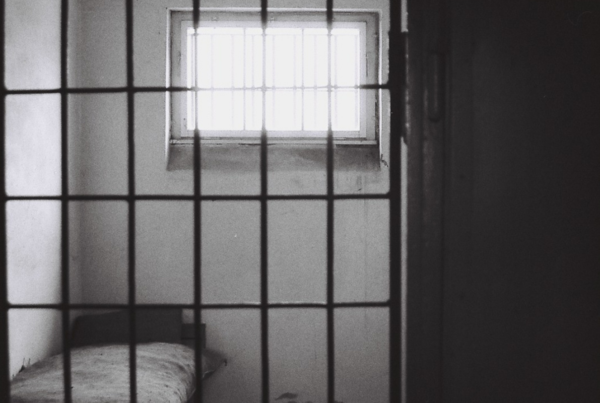

Bail is all that stands between an innocent person and a prison cell.
And the government doesn’t seem to care.
Why does bail matter?
- Before evidence is heard, arguments are made, and judgment is passed, bail is all that stands between an innocent person and a prison cell.
- Less than half of criminal cases in Canada result in a finding of guilt.
- Without bail, many people who will never be found guilty are imprisoned.
- With insufficient evidence, the government just pushed Bill C-14 through parliament, creating new laws that ignore the above.
Why should Bill C-14 worry us?
- It introduces new “reverse onus” provisions for many offences. Instead of the state proving why a person presumed innocent should lose their freedom, the person charged must prove why they should keep it.
- The government claims Bill C-14 targets repeat offenders. But many of the new reverse onuses would apply to someone charged with an offence for the very first time.
- More people denied bail means more presumed innocent people are sent to overcrowded detention centres with harsh conditions courts have described as “inhumane”.
- Harsh conditions fuel crime, not deter it and may lead to those who are found guilty receiving reduced sentences.
- There is no national dataset that will tell us if Bill C-14 reduced reoffending while a person was on bail.
What you can do:
- Sign our petition addressed to the federal Minister of Justice and provincial Attorneys General calling for the collection of accurate data on the bail system and passing evidence-based criminal justice legislation.