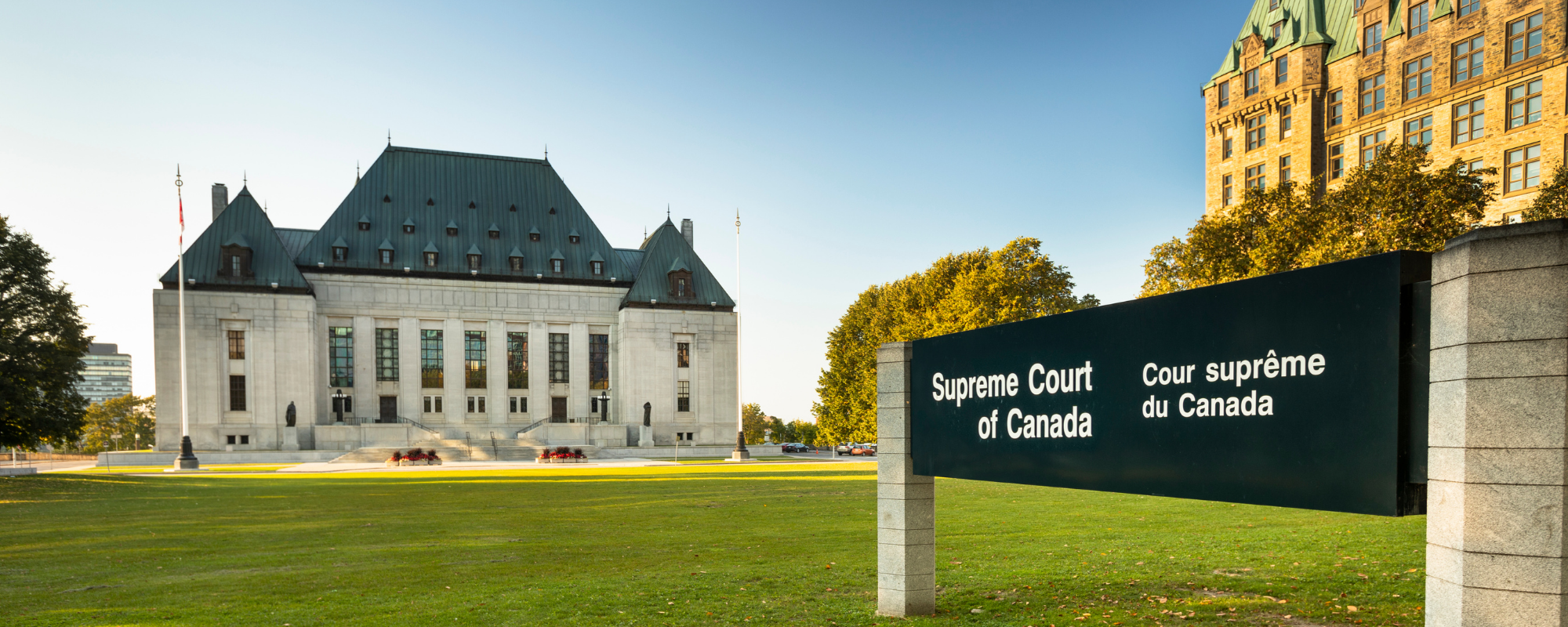
On October 9th, 2026, the Supreme Court of Canada released its decision in R. v. Cope, 2026 SCC 32. This appeal concerned the framework for sentencing Indigenous individuals under s. 718.2(e) of the Criminal Code. This is a remedial provision intended to reduce the overincarceration of Indigenous people. It requires judges to consider sentences other than imprisonment for any offender and to pay particular attention to the circumstances of Indigenous persons. The CCLA intervened in the case.
The Court re-emphasized the importance of considering the systemic and background factors which are relevant to an Indigenous person who commits an offence. This could include, for example, cultural dislocation because of the residential school system. The Court also emphasized that a sentencing judge must consider what sanctions or alternative procedures may be appropriate and effective considering a person’s Indigeneity. This is because their community’s concept of sentencing may be distinct from a conventional approach.
The Court specifically considered how to approach sentencing situations where both the offender and victim of the offence are Indigenous. For instance, s. 718.04 of the Code requires a sentencing judge to give primary consideration to denouncing and deterring criminal conduct where a vulnerable person is abused, including an Indigenous woman or girl. The Court held that this consideration can be reconciled with s. 718.2(e) by undertaking a nuanced approach and imposing “a proportionate and individualized sentence that gives due consideration to both the needs of Indigenous offenders and Indigenous victims” (para. 112).
The Court provided guidance on how courts should apply the recommendations of a sentencing circle. A sentencing circle is a non-adversarial process whereby facilitated discussion about the offence occurs in line with Indigenous teachings. It may involve the person convicted of the offence, the victim, members of the community, Indigenous Elders, Crown or defence counsel, the judge, and others. A sentencing circle can provide a non-binding recommendation about the appropriate sanction. The Court ruled that where a sentencing judge fails to meaningfully engage with the sentencing circle process, that may be a legal error because it ignores part of the s. 718.2(e) analysis. Citing the CCLA’s factum, the Court also held at para. 124:
“Sentencing circles can themselves act as a vehicle to achieve the sentencing objectives of deterrence and denunciation, by sending a message to others on the standards of tolerated behaviour, by increasing the understanding of the harm related to the offence, and by impacting familial and personal relationships.”
The CCLA is grateful to Samara Secter, Dylan Leiper, and Heather Lawson of Addario Law Group for their excellent pro bono representation in this case.