

However individuals with disabilities face systemic barriers in society. As a result, people with disabilities who are low-income or with other intersecting forms of discrimination, are at a disproportionate risk of poverty, homelessness, profiling by and involvement with police, and a disproportionate number of people in prisons have mental health issues. In addition, people with mental illness could in certain circumstances be placed in involuntary detention or face other deprivations of liberty, but are frequently unable to obtain the mental health services needed.
Equality in its full meaning provides for the right to accessibility and inclusion in society for everyone, including everyone with a physical or mental disability.
Our Work for Disability Equality

CCLA Warns Lives Are at Risk Under Quebec’s Bill 103 Restricting Harm Reduction Services
CCLA Warns Lives Are at Risk Under Quebec’s Bill 103 Restricting Harm Reduction Services

CCLA strongly opposes Alberta’s proposed forced treatment law
CCLA strongly opposes Alberta’s proposed forced treatment law

CCLA Appearing Before Supreme Court to Ensure Fairness in Sentencing for Individuals with Mental Health Conditions or Cognitive Disabilities
CCLA Appearing Before Supreme Court to Ensure Fairness in Sentencing for Individuals with Mental Health Conditions or Cognitive Disabilities
Constitutional Rights of Kingston Encampment Residents Must be Respected
Constitutional Rights of Kingston Encampment Residents Must be Respected
CCLA Intervening Before Supreme Court to Ensure Fairness in Sentencing for Individuals with Mental Health Conditions or Cognitive Disabilities
CCLA Intervening Before Supreme Court to Ensure Fairness in Sentencing for Individuals with Mental Health Conditions or Cognitive Disabilities
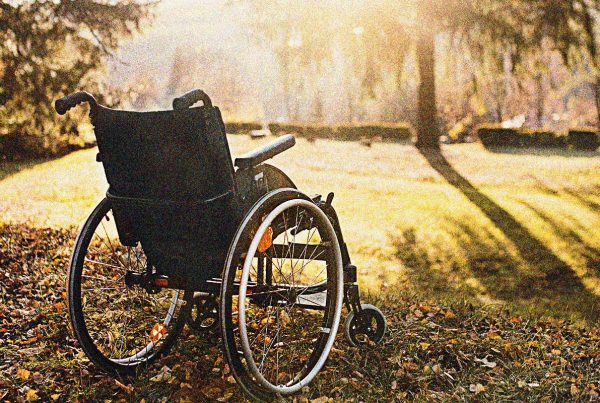
CCLA Argues Before the Ontario Court of Appeal to Protect the Rights of Workers With Disabilities
CCLA Argues Before the Ontario Court of Appeal to Protect the Rights of Workers With Disabilities
CCLA Intervenes in Jacob v Canada
CCLA Intervenes in Jacob v Canada
CCLA and QPLC Jointly Participating in Baker Inquest
CCLA and QPLC Jointly Participating in Baker Inquest
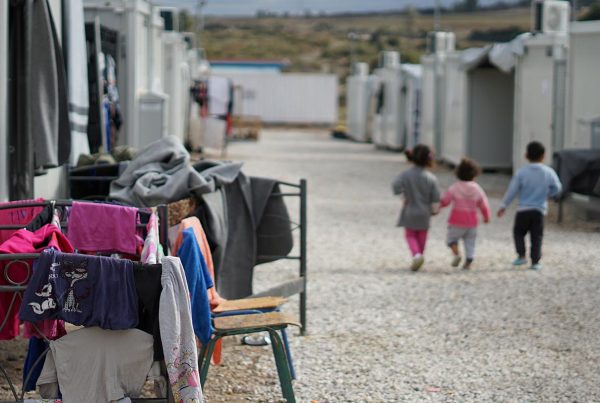
CCLA Pleased with Win for Access to Justice in Toussaint v Canada
CCLA Pleased with Win for Access to Justice in Toussaint v Canada
CCLA Welcomes Decision Promoting Access to Justice
CCLA Welcomes Decision Promoting Access to Justice

CCLA to Minister: Choosing not to be vaccinated should not disentitle you from employment insurance
CCLA to Minister: Choosing not to be vaccinated should not disentitle you from employment insurance

Offensive Comedy ≠ Discrimination
Offensive Comedy ≠ Discrimination
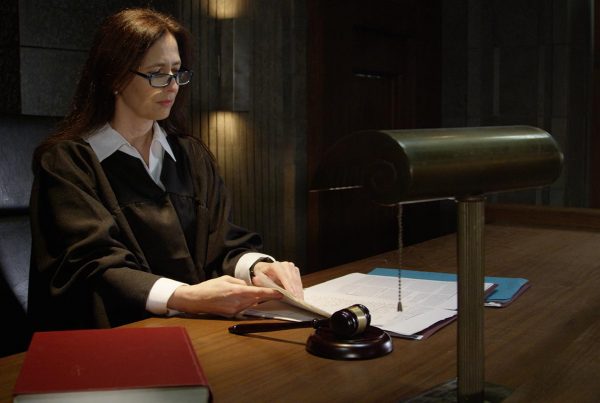
A Victory for Justice and Equality: SCC Finds Ontario Law Discriminates Based on Mental Disability
A Victory for Justice and Equality: SCC Finds Ontario Law Discriminates Based on Mental Disability
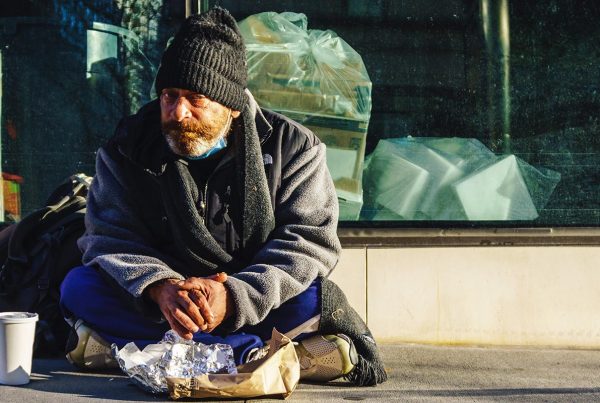
CCLA Wins Fight for Homeless Against City
CCLA Wins Fight for Homeless Against City
CCLA and Coalition Partners Help Toronto’s Homeless Population
CCLA and Coalition Partners Help Toronto’s Homeless Population

CCLA Defends Toronto’s Homeless Population
CCLA Defends Toronto’s Homeless Population
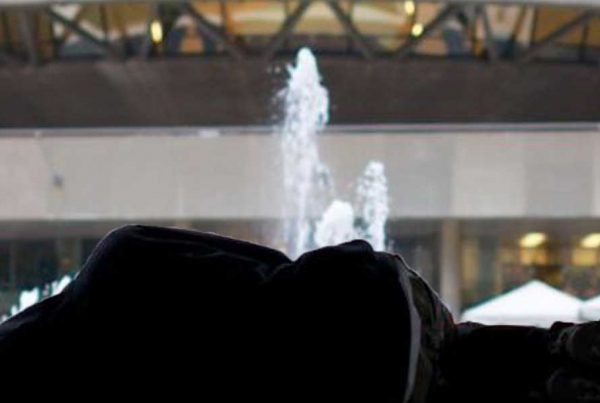
CCLA with Coalition Warns Legal Action Against City of Toronto for Failure to Support Homeless People
CCLA with Coalition Warns Legal Action Against City of Toronto for Failure to Support Homeless People

Carding in a Pandemic
Carding in a Pandemic
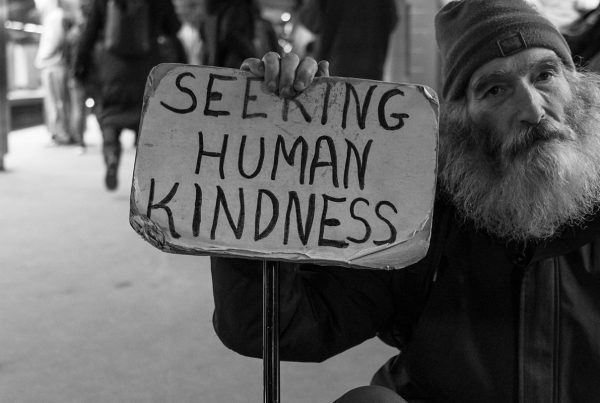
CCLA’s Urgent COVID Response for Toronto Homeless Population
CCLA’s Urgent COVID Response for Toronto Homeless Population

Attorney General of Canada V. Corporation of The Canadian Civil Liberties Association Factum
Attorney General of Canada V. Corporation of The Canadian Civil Liberties Association Factum
Solitary confinement is no joking matter – and the courts are not amused – AGAIN!
Solitary confinement is no joking matter – and the courts are not amused – AGAIN!
Ontario Court of Appeals on Federal Governments Second Request for an Extension on Solitary Confinement
Ontario Court of Appeals on Federal Governments Second Request for an Extension on Solitary Confinement

Sex Offender Registries That Discriminate Against Those With Mental Illness Offend Charter Equality Guarantee
Sex Offender Registries That Discriminate Against Those With Mental Illness Offend Charter Equality Guarantee
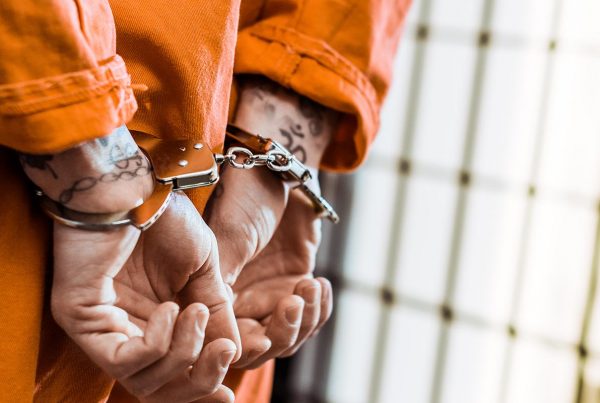
End to Solitary Confinement as We Know It
End to Solitary Confinement as We Know It
Being in a wheelchair is no reason for being held in solitary
Being in a wheelchair is no reason for being held in solitary
CCLA Wins Important Battle Against Feds On Solitary Confinement
CCLA Wins Important Battle Against Feds On Solitary Confinement
Rights groups challenging solitary confinement in court release joint statement on Bill C-83
Rights groups challenging solitary confinement in court release joint statement on Bill C-83

We Need Better De-Escalation and Non-Escalation Responses to People in Crisis
We Need Better De-Escalation and Non-Escalation Responses to People in Crisis

Keep Your Promise On Solitary Confinement, Groups Tell Ottawa
Keep Your Promise On Solitary Confinement, Groups Tell Ottawa

CCLA Court Challenge To Solitary Confinement: The Next Step
CCLA Court Challenge To Solitary Confinement: The Next Step
Legal Fight Against Solitary Confinement Continues
Legal Fight Against Solitary Confinement Continues

CCLA Announcement: Coalition Calls for Implementation of Loku Inquest Recommendations
CCLA Announcement: Coalition Calls for Implementation of Loku Inquest Recommendations

CCLA Segregation Challenge
CCLA Segregation Challenge
CCLA Calls on Court to End Solitary Confinement – Hearing Starts September 11th
CCLA Calls on Court to End Solitary Confinement – Hearing Starts September 11th
Ontario Must Curtail Segregation In Provincial Jails
Ontario Must Curtail Segregation In Provincial Jails

Loku Inquest Must Address Bias In Policing

 English (Canada)
  Français du Canada